
← All articles
Conditions
 Dr. Joan J. Morales Lappot, MD
3 min read · Leer en español
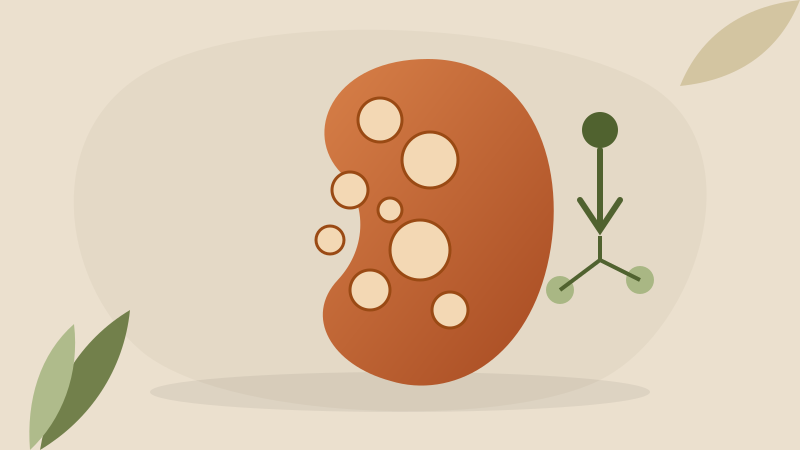
Polycystic kidney disease (PKD): what families should know
Dr. Joan J. Morales Lappot, MD3 min read · Leer en español
In briefPolycystic kidney disease is one of the most common inherited conditions. Because it runs in families, one diagnosis often raises questions for parents, siblings and children.
What it is
In autosomal dominant PKD, many fluid-filled cysts grow in both kidneys over decades, slowly enlarging them and reducing their function. Each child of a parent with PKD has a 50 percent chance of inheriting it. Many people have no symptoms until adulthood.
Common signs
- High blood pressure at a young age
- Pain in the back or side, or a sense of fullness
- Blood in the urine or kidney stones
- Urinary infections or infected cysts
- Cysts in the liver
Diagnosis
An ultrasound is usually enough in adults with a family history. MRI measures kidney size, which helps predict how fast the disease may progress. Genetic testing helps in unclear cases or for people considering kidney donation to a relative.
What can slow it down
- Excellent blood pressure control, often with an ACE inhibitor or ARB
- Drinking plenty of water throughout the day, unless told otherwise
- Less salt and moderate protein
- A healthy weight and avoiding NSAID pain relievers
- For people whose disease is progressing quickly, a medicine called tolvaptan can slow cyst growth
Bottom line: If PKD runs in your family, an ultrasound and a blood pressure check are simple first steps. Early care makes a difference.
Questions about your kidneys?Call (954) 989-9553