
Kidney infection: symptoms, treatment and when to worry
 Dr. Joan J. Morales Lappot, MD
3 min read · Leer en español
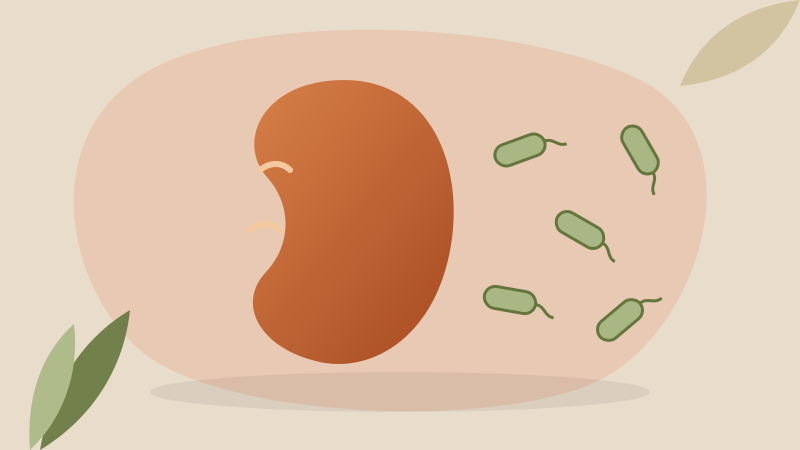
In briefA kidney infection, called pyelonephritis, usually starts as a bladder infection that travels upward. It is more serious than a simple urinary infection and needs prompt treatment.
Bladder infection or kidney infection?
A bladder infection usually causes burning, urgency and frequent urination. When fever, chills, nausea or pain in the side or back appear, the infection may have reached the kidney.
Common symptoms
- Fever and chills
- Pain in the side, back or groin
- Burning or pain with urination
- Cloudy, bad-smelling or bloody urine
- Nausea or vomiting
- In older adults, sometimes only confusion or weakness
- You have a high fever with shaking chills
- You cannot keep fluids or antibiotics down
- You feel faint, confused or very weak
- You are pregnant and have these symptoms
How it is treated
Most kidney infections are treated with antibiotics, guided by a urine culture. Mild cases can be treated at home; people who are very sick, pregnant, unable to keep fluids down or with a blocked kidney often need the hospital. Finish every dose, even when you feel better.
When infections keep coming back
Repeated kidney infections deserve a closer look: kidney stones, an enlarged prostate, a bladder that does not empty well or other structural issues can be the cause. Finding it protects your kidney function over time.