
Low potassium (hypokalemia): causes, symptoms and safe treatment
 Dr. Joan J. Morales Lappot, MD
3 min read · Leer en español
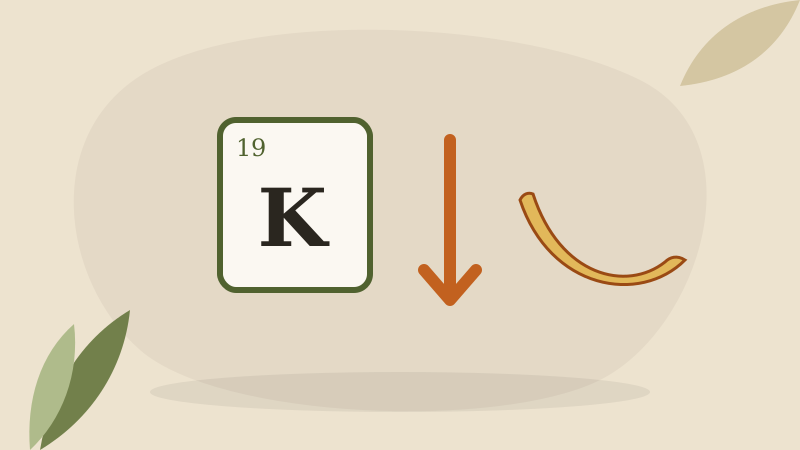
In briefMost of what people hear about potassium in kidney disease is about levels that run too high. But low potassium is common too, and it matters, because potassium helps every muscle and nerve work, including the heart.
Common causes
- Water pills (diuretics) such as hydrochlorothiazide, chlorthalidone and furosemide
- Vomiting or diarrhea
- Low magnesium, which makes the kidneys waste potassium
- Hormone problems, such as too much aldosterone, which can also raise blood pressure
- Rarely, a very poor diet or certain inherited kidney conditions
What it can feel like
Mild low potassium often causes no symptoms. Lower levels can cause weakness, muscle cramps, constipation, palpitations and, in severe cases, dangerous heart rhythms.
- You feel your heart racing or skipping
- You have severe weakness or cannot walk normally
- You have ongoing vomiting or diarrhea while on water pills
Treatment
The first step is finding out why. Treatment may include potassium-rich foods, potassium supplements, correcting magnesium, or switching to a blood pressure medicine that spares potassium. If your blood pressure is hard to control and your potassium runs low without an obvious reason, I often check for an adrenal cause.
Potassium pills should be taken exactly as prescribed, with food and plenty of water. More is not better: too much potassium is also dangerous, especially when the kidneys are weak.