← All articles
Conditions
 Dr. Joan J. Morales Lappot, MD
3 min read · Leer en español
Gout, uric acid and your kidneys
Dr. Joan J. Morales Lappot, MD3 min read · Leer en español
In briefGout and kidney disease often travel together. Weaker kidneys remove less uric acid, and high uric acid can cause painful gout attacks and kidney stones.
What uric acid is
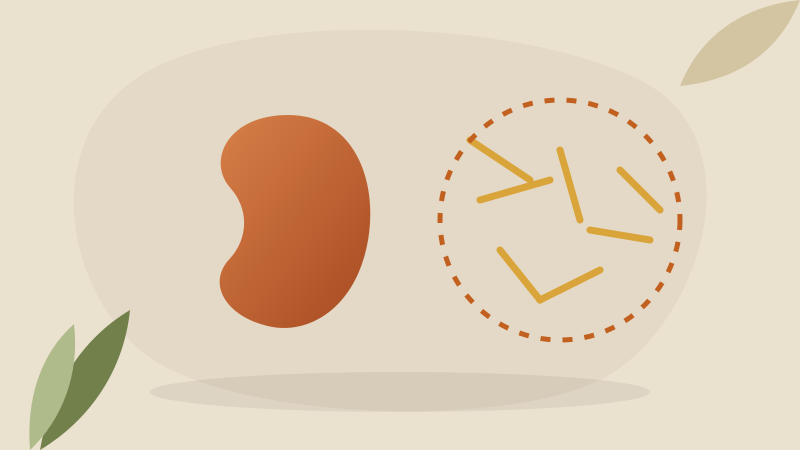
Uric acid is a waste product from breaking down purines, natural substances in your cells and in foods such as red meat, organ meats, some seafood, beer and sugary drinks sweetened with fructose. The kidneys remove about two-thirds of it. When too much builds up, it can form sharp crystals in a joint, most often the big toe.
Treating attacks safely
Many people reach for ibuprofen or naproxen during a gout flare, but those can harm the kidneys, especially with CKD. Safer options often include low-dose colchicine adjusted to kidney function, or a short course of steroids. Ask before you take anything.
Preventing the next flare
- If you have repeated attacks, a daily medicine such as allopurinol lowers uric acid. It is started at a low dose and increased slowly; it is generally safe in kidney disease when dosed carefully.
- Limit beer, liquor and drinks sweetened with high-fructose corn syrup.
- Keep portions of red meat and organ meats small.
- Stay well hydrated, especially in the South Florida heat.
- Some blood pressure pills raise uric acid; others, like losartan, slightly lower it. We can review yours.
Bottom line: Gout is treatable without hurting your kidneys. Avoid over-the-counter anti-inflammatories and let us choose the safest plan together.
Questions about your kidneys?Call (954) 989-9553