
What is dialysis? Types, what to expect and how to choose
 Dr. Joan J. Morales Lappot, MD
3 min read · Leer en español
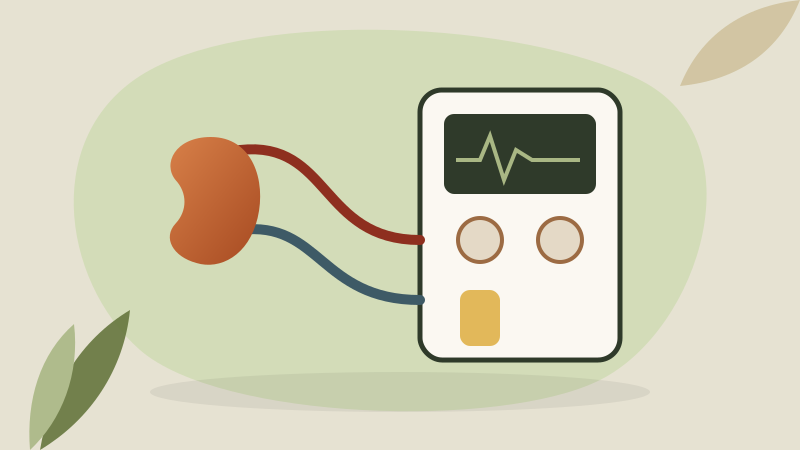
In briefDialysis does part of the kidneys' work when they can no longer keep up: it removes waste and extra fluid and balances minerals in the blood. There is more than one way to do it, and the choice should fit your life.
When dialysis is needed
Dialysis is considered when kidney function is very low and, more importantly, when symptoms appear: nausea, poor appetite, swelling that medicines cannot control, shortness of breath, or dangerous potassium or acid levels. The decision is based on how you feel and function, not on a single number.
Peritoneal dialysis (at home)
A soft tube placed in the belly lets cleansing fluid fill the abdomen. The lining of the belly acts as a natural filter. Exchanges are done by hand during the day or by a machine overnight while you sleep. It offers flexibility and fewer trips to a clinic.
Hemodialysis (at home or in a center)
Blood flows through a machine that cleans it and returns it to the body. In a center, it is usually three times a week for several hours. At home, treatments can be shorter and more frequent, after training with a care partner. Hemodialysis needs an access, ideally a fistula made in the arm months ahead.
Other paths
A kidney transplant is the best long-term option for many people, and evaluation can start before dialysis is needed. For some, especially older adults with other serious illnesses, conservative care without dialysis is a valid choice focused on comfort and quality of life.