Chronic kidney disease: the five stages, explained
 Dr. Joan J. Morales Lappot, MD
3 min read · Leer en español
In briefHearing "chronic kidney disease" can be frightening. The good news is that most people with CKD never reach kidney failure, especially when it is found early and managed well.
What CKD means
Chronic kidney disease means the kidneys have been damaged or filtering less than normal for at least three months. The two most common causes are diabetes and high blood pressure. Others include glomerular disease, inherited conditions such as polycystic kidney disease, repeated kidney injuries and some medicines.
The stages
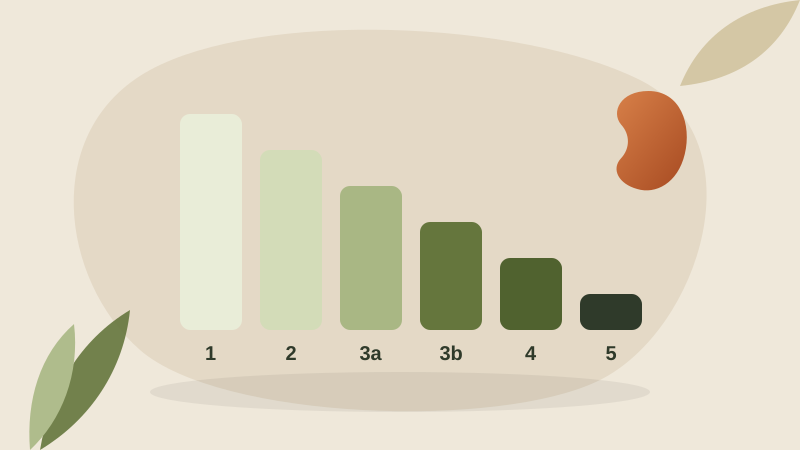
- Stage 1 (eGFR 90 or more): normal filtering, but signs of damage such as protein in the urine
- Stage 2 (60 to 89): mild decrease
- Stage 3a (45 to 59) and 3b (30 to 44): moderate decrease
- Stage 4 (15 to 29): severe decrease; time to plan ahead
- Stage 5 (under 15): kidney failure
Your stage also depends on how much protein (albumin) is in your urine, so two people with the same eGFR can have different risks.
What slows it down
- Keeping blood pressure at your personal goal
- Controlling blood sugar if you have diabetes
- Kidney-protective medicines when they fit you
- Less salt, and a diet built around plants and fresh foods
- Avoiding pain relievers such as ibuprofen and naproxen
- Not smoking and staying active
Planning without fear
In stage 4, we start talking about the future: transplant evaluation, home or in-center dialysis, or care without dialysis. Talking early keeps every option open. It does not mean dialysis is coming.